
Post-Concussion Appetite And Hormone Changes: Why “Just Eat More” Often Fails
A systems-based map for clinicians and curious minds who want to understand appetite loss, shakiness, blood sugar crashes, and the often-missed hormone piece in concussion and TBI recovery.

Post-Concussion Appetite And Hormone Changes: Why “Just Eat More” Often Fails
A systems-based map for clinicians and curious minds who want to understand appetite loss, shakiness, blood sugar crashes, and the often-missed hormone piece in concussion and TBI recovery.
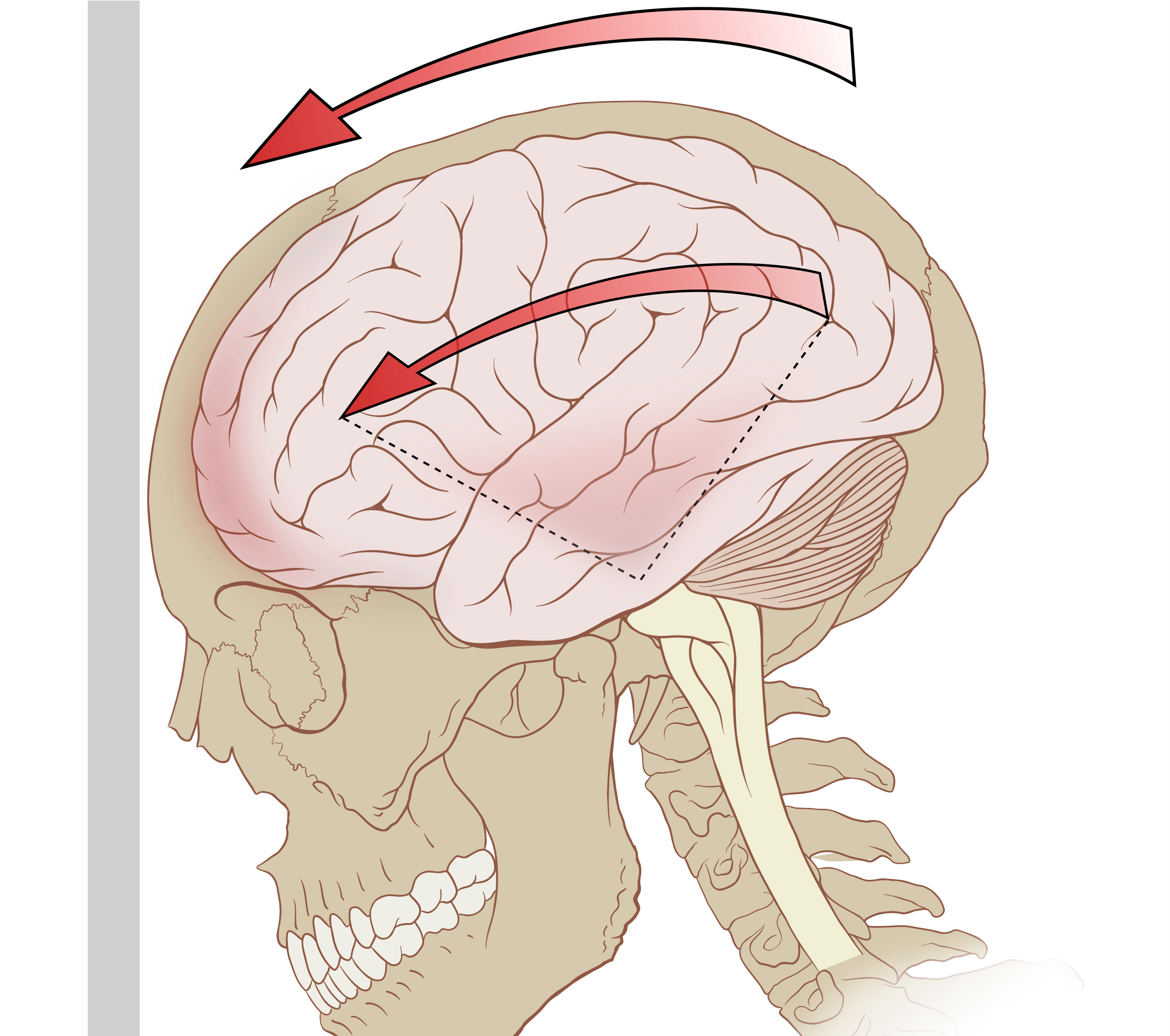
If you’ve ever worked with concussion patients, you’ve probably heard some version of this:
“I looked up and it was 4 pm. I hadn’t eaten. I didn’t feel hungry. Then suddenly I was shaky, sweaty, irritable, and my brain felt like it was shutting down.”
Here’s the part most people miss, including many well-meaning clinicians. In a concussion, the problem is often not willpower. It’s not “lack of discipline.” It’s that the wiring that detects hunger, prioritizes food, initiates eating, and stabilizes physiology under stress is not functioning normally. That wiring is neurological, hormonal, and autonomic.
And yes, this is common. A recent study of Irish athletes post-concussion reported loss of or poor appetite as one of the most severe symptoms, right up there with fatigue.
The social post this deep dive expands on
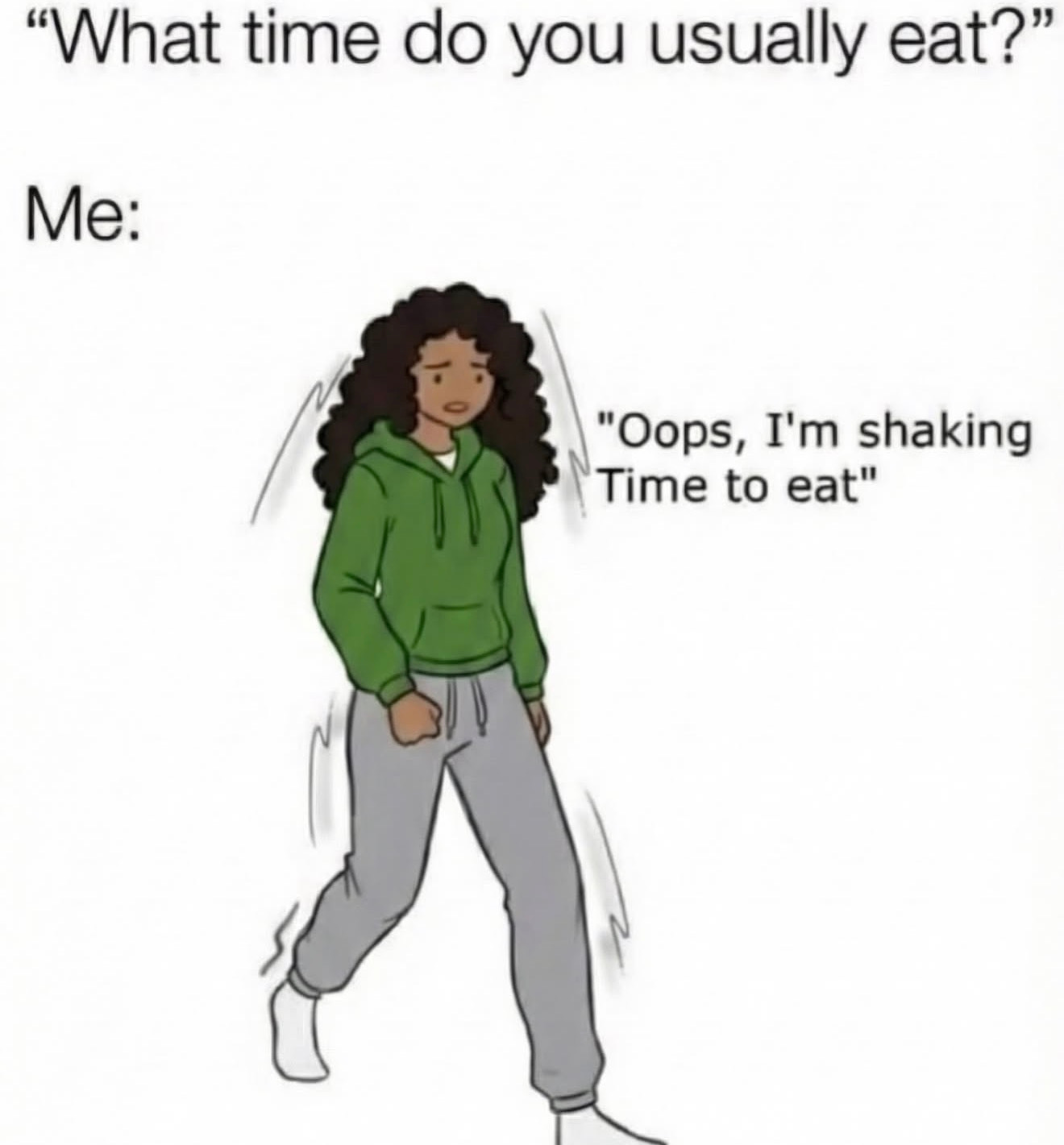
You snap out of a post-concussion fog to find your hands trembling, only to realize you haven’t eaten all day.
If a brain injury has left you missing your hunger cues until you’re shaky, you’re not lazy or “just forgetting.” This can be a real concussion after-effect.
Concussions can disrupt the systems that regulate stress, blood sugar, metabolism, and appetite. That means your internal meal-time alarm can go quiet, until your body hits an emergency low-fuel state.
What frustrates me is how often this gets dismissed in recovery. People are told to rest, hydrate, and wait, while their physiology is clearly dysregulated.
At Movability, we take this seriously. We look at appetite and hormone patterns, we can run targeted testing through our naturopath, and we communicate with your physician so care stays coordinated.
Why this pattern is confusing, and easy to mislabel
Appetite changes after concussion rarely show up as one clean symptom. Instead it’s a cluster:
Hunger cues feel “muted” or absent, until a sudden crash.
Nausea, early satiety, reflux, constipation, or food aversions appear.
People rely on caffeine or sugar to function, then feel worse.
Mood and anxiety spike when fueling drops, and the symptoms get framed as “psychological.”
This confusion is amplified because mild TBI often has normal imaging. So if the CT or MRI is clear, it’s tempting to assume the physiology is fine. It’s not.
Concussion is a metabolic injury. The “neurometabolic cascade” describes the brain’s acute energy crisis after injury, including altered glucose metabolism. When your brain is struggling to meet energy demand, and your appetite signals are unreliable, missing meals is not a moral failure, it’s an expected outcome of dysregulation.
The hormone piece that gets minimized
There is also a very real endocrine conversation here. Traumatic brain injury is associated with disruption of hypothalamic–pituitary function (the control center for multiple hormone axes). Large reviews and meta-analyses show meaningful rates of pituitary dysfunction after TBI, with prevalence changing over time as some early abnormalities resolve.
For moderate and severe TBI, multiple professional groups recommend screening for pituitary dysfunction at 3 to 6 months and again later, because symptoms can be delayed and overlap with “post-concussion syndrome.”
For mild TBI, routine screening is not universal. But emerging data is forcing a rethink, especially in certain subgroups. A 2024 study of female athletes with sport-related mild TBI found measurable pituitary dysfunction in 12.2% (hypopituitarism 4.6%, hyperprolactinemia 7.6%).
Why chasing symptoms often fails
If the plan is only “treat the headache,” “do vestibular rehab,” or “rest until symptoms go away,” we miss the systems that determine whether the patient can actually fuel, sleep, regulate blood pressure, and tolerate exertion.
Appetite dysregulation is rarely isolated. It sits at the intersection of brain energy demand, autonomic tone, gut motility, sleep, stress hormones, thyroid signaling, and executive function. Concussion is one of the cleanest examples of why a systems lens matters.
At Movability, we treat this as part of recovery, not an afterthought. We screen the pattern, we look for endocrine red flags, we can facilitate targeted lab testing through our naturopath, and we coordinate findings with the patient’s physician so scope stays clean and the care plan is cohesive.
If you’ve been told “it’s just anxiety” while your appetite and physiology are clearly unstable, you’re not imagining it. There’s a better way to reason through this.
